Rectangle Outline Frame Redwork Bundle: A Designer’s Honest Review
First Impressions: Clean, Classic, and Versatile
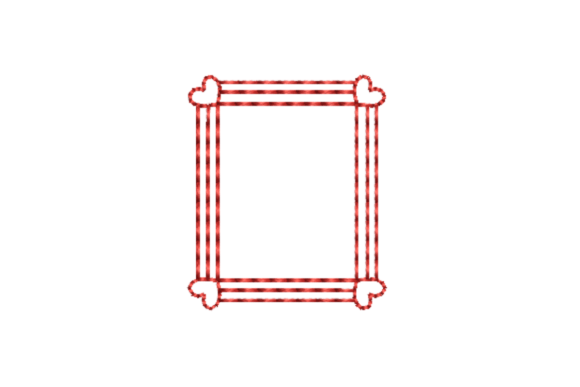
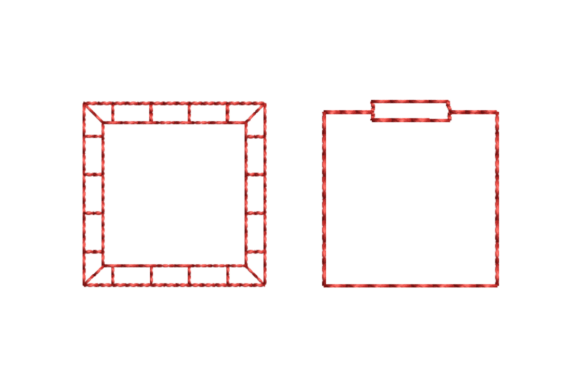
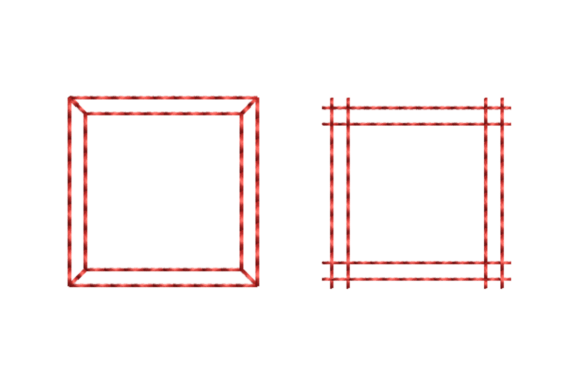
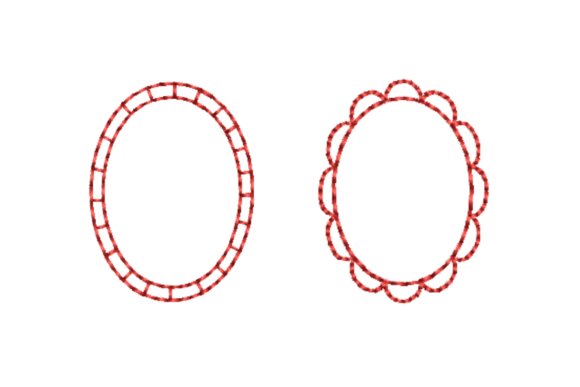
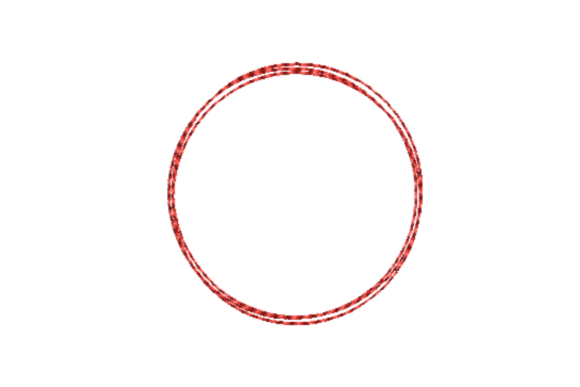
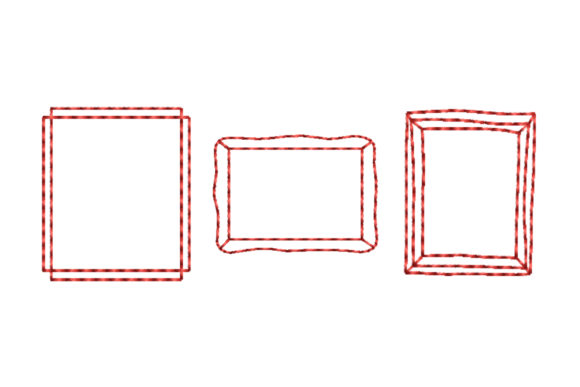
Opening up the Rectangle Outline Frame Redwork Bundle, the first thing that stands out is its simplicity. It’s a clean, minimalist frame—just a simple rectangular outline stitched in a classic redwork style. No fuss, no clutter, just a timeless shape that feels familiar yet elegant. It gives off a subtle, refined vibe that instantly makes me think of monogrammed linens, personalized baby gifts, or boutique-style tote bags.
As a designer, I appreciate how the design doesn’t try to do too much. It’s meant to frame, not overwhelm—perfect for names, initials, or small motifs. It feels like a staple in any embroidery collection, especially for those of us who work on custom or personalized products.
Real-World Use: From Tote Bags to Baby Clothes
I recently tested this design on a custom embroidered tote bag project. I placed the rectangle around a simple embroidered name in a contrasting thread color, and the result was exactly what I hoped for—clean, professional, and understated. The frame gave the design a finished look without competing with the lettering inside it.
It also held up well on a baby onesie. The fabric was soft and slightly stretchy, which can be tricky for outlines, but the stitch pattern maintained its shape without distortion. The redwork style, with its fine running stitches, gave a hand-drawn feel that felt appropriate for a delicate, handmade baby gift.
- Worked beautifully on cotton and linen blends
- Good for framing names, small logos, or single motifs
- Looks elegant on both casual and upscale items
Where It Shines: Commercial and Personal Projects
This design is especially useful for small business owners and Etsy sellers who offer personalized items. Whether it’s a custom sweatshirt for a boutique brand or a holiday gift embroidered on a tea towel, the Rectangle Outline Frame Redwork Bundle adds a touch of structure and class without being too flashy.
From a branding perspective, it helps create consistency across handmade products. For example, using the same frame style across different items—like a baby blanket, a kitchen apron, and a pillow cover—creates a cohesive look that customers start to recognize as part of your shop’s signature style.
Where to Use It Carefully
Like any outline design, this one needs a bit of thought when placing it on certain materials or in specific contexts. Here are a few things to watch for:
- Small hoop sizes: If your hoop is tight, the frame might feel cramped, especially if you’re adding lettering inside.
- Stretchy or thin fabric: The outline could pucker or sink into the fabric if stabilizer isn’t used properly.
- Dark fabric: Since the design is typically stitched in red (or a light color), make sure the contrast is strong enough to stand out.
- Curved surfaces: On a baseball cap or a rounded patch, the corners might not lay flat unless the design is adjusted slightly.
Also, if you're planning to add tiny lettering inside the frame, test it first. The corners are sharp and defined, but very small text might get lost or stitch inaccurately if the density isn’t right.
Stitch Quality and Visual Impact
One of the first things I checked was the stitch quality. The outline is made mostly of running stitches, which is typical for redwork. They’re even, consistent, and spaced just right—not too tight, not too loose. There’s no unnecessary fill or satin stitching, which keeps the design lightweight and fast to stitch.
Visually, it frames the content inside beautifully. On a mockup of a linen pillow cover, the frame gave the embroidered monogram a polished, boutique-style finish. It elevated the overall presentation of the product and made it feel more gift-worthy.
Design Practicality for Sellers and Makers
If you're selling embroidered items, whether through Etsy or at a local craft fair, this kind of design is a smart addition to your toolkit. It's versatile enough to be used across multiple product types and doesn't require advanced digitizing skills to implement.
For digital product sellers offering embroidery files, this could be a great starter design or part of a larger collection. It’s simple but functional, and buyers will appreciate that it’s easy to use and customize.
Designer Notes: What to Check Before Stitching
Before you dive in, here are a few practical checks to run:
- Test on scrap fabric: Always a good idea with any new design, especially if you’re using a new stabilizer or fabric type.
- Check thread contrast: If you're using the redwork style as intended, make sure the thread stands out clearly against your fabric.
- Verify hoop size: Don’t assume the design will fit your hoop—measure it in your software first.
- Review stitch density: Running stitches are great, but too loose and the frame might not look crisp.
- Confirm licensing: If you're reselling finished products or digital files, double-check the usage rights included with your purchase.
Final Thoughts: A Quietly Powerful Design Tool
The Rectangle Outline Frame Redwork Bundle may not be the flashiest design in your collection, but that’s exactly why it’s valuable. It’s a quiet, reliable frame that works across a wide range of projects—personal, commercial, and everything in between.
Whether you're a small shop owner creating custom gifts or a designer building a digital embroidery product line, this frame is a solid, no-fuss choice. It brings structure, elegance, and consistency to your work without demanding attention. And sometimes, that’s exactly what a good embroidery design should do.