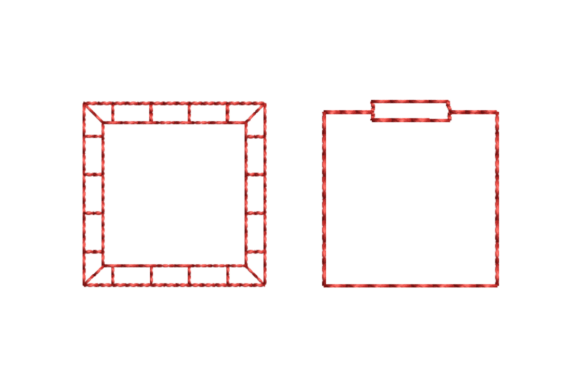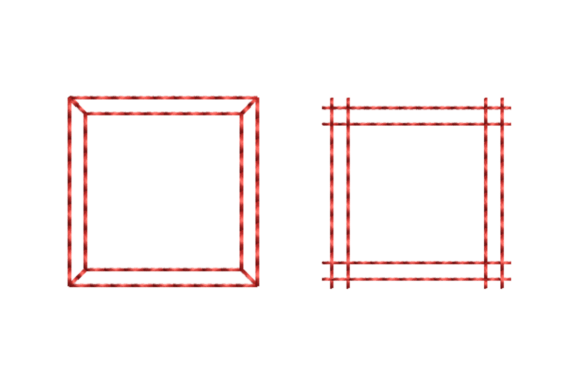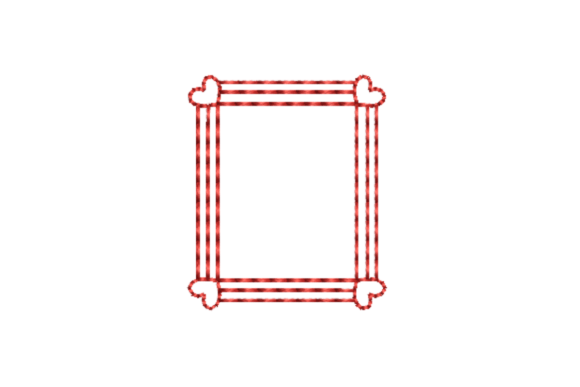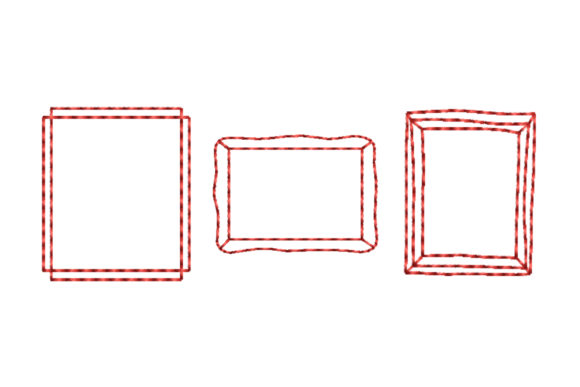
Circle Frame Outline Redwork: A Craft Fair Staple?
First Impressions: Clean, Classic, and Versatile
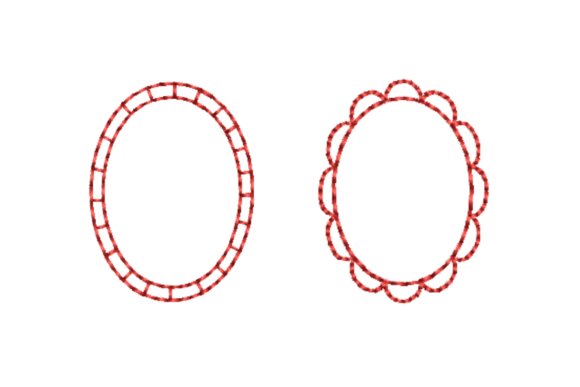
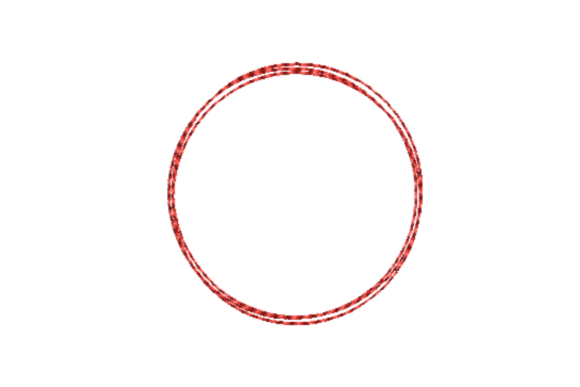
As an embroidery designer prepping for a weekend craft fair, the Circle Frame Outline Redwork immediately caught my eye. It’s elegant, minimal, and feels like a subtle nod to traditional redwork without being overly nostalgic. The design’s clean lines and circular framing give it a timeless quality that could work across a variety of handmade products—from tote bags to pillow covers.
At first glance, it leans toward a farmhouse or rustic-chic aesthetic, but with the right fabric choice, it can easily shift into a more modern or even festive look. It’s not bold or attention-grabbing in the way a floral or monogram might be, but that’s not the point. This is a quiet, refined design that speaks to quality and craftsmanship.
Where It Shines: Product Applications for Maximum Impact
The Circle Frame Outline Redwork is versatile enough to be used across several product types. Here’s how it holds up in real-world craft fair applications:
- Tote bags: Works beautifully centered on the front panel. The circular frame gives it a polished, almost logo-like feel that stands out without overwhelming the fabric.
- Aprons: A perfect accent just below the chest pocket or on the hemline. It adds a handmade touch without competing with the overall design of the apron.
- Tea towels: Placed near the corner or centered on the lower third, it enhances the handmade appeal while maintaining a minimalist vibe.
- Embroidered patches: Ideal for a small, framed patch. The redwork style pairs well with denim or canvas, and the circle shape makes it easy to apply to bags or jackets.
- Caps: May require resizing, but the circular nature fits well on curved surfaces. Just be sure to test on a sample cap first.
- Fabric pouches: Great for a centered design on the front. Especially effective on light-colored cotton or linen pouches.
- Pillow covers: Works well as a centered motif or as a repeated design in a grid pattern. Adds a touch of elegance without being too busy.
Practical Production Notes: Is It Craft Fair Ready?
When you're preparing a booth full of handmade products, you need designs that are not only visually appealing but also practical to produce in batches. The Circle Frame Outline Redwork falls into that sweet spot.
It’s a machine embroidery design that’s easy to understand at a glance—no complex layers or hidden details. This makes it ideal for quick production runs, especially when you're juggling multiple items for your craft fair booth.
It works equally well as a small accent or as a larger focal point, depending on how you scale it. For online listings, this design photographs beautifully—especially when stitched in true red thread on white or light fabric. The contrast and clean lines translate well in product photos, which is a big plus for Etsy sellers or digital crafters creating printable mockups.
Watch Out For: Stitch Density and Fabric Texture
While the Circle Frame Outline Redwork is simple in structure, there are still a few things to watch for during production:
- Stitch density: Check for areas where the lines might be too close together, especially around the frame’s outer edge. Dense stitching can pucker some fabrics.
- Thread colors: The classic redwork style uses red thread, but don’t be afraid to experiment with other colors. Just be sure the contrast works with your fabric choice.
- Fabric texture: Textured towels or thick cotton can distort the frame’s shape slightly. Always test on scrap fabric before production.
- Curved surfaces: Caps and curved pouches may require extra stabilizer to keep the design from distorting during stitching.
- Dark fabric: The red thread may not stand out as clearly on darker backgrounds. Consider using a contrasting thread or a fill stitch inside the circle for better visibility.
Visual Appeal and Customer Engagement
At a craft fair, your booth display is your storefront. You need items that catch the eye from a distance and invite closer inspection. The Circle Frame Outline Redwork does this subtly—it’s not flashy, but it’s refined and professional.
Customers are drawn to clean, recognizable designs that feel handmade but not cluttered. This one fits that bill. It adds visual interest without overwhelming the product, making it a great option for boutique makers or Etsy sellers looking to build a cohesive brand aesthetic.
It also enhances the perceived value of your handmade product. A well-executed redwork frame suggests attention to detail and a classic sense of style—both of which resonate with craft fair shoppers.
Designer Tips: Test, Test, and Test Again
Before diving into full production, here are a few must-do steps for any embroidery file:
- Test on scrap fabric: Always run a test stitch before committing to your final product.
- Check thread contrast: Make sure your thread color works with your fabric. Red on white is classic, but other combinations can be just as effective.
- Review spacing and alignment: Ensure the frame is symmetrical and properly spaced on your hoop.
- Confirm hoop size: Know your machine’s limitations. If the design is too large, you may need to resize or adjust your hoop accordingly.
- Inspect stitch density: Avoid puckering by ensuring the design isn’t too dense for your fabric type.
- Use the right stabilizer: Especially important for curved or textured surfaces.
- Create a real mockup: Don’t rely solely on digital previews. See how it looks in person.
- Compare fabric colors: Test the design on a few different backgrounds to see what works best.
- Confirm commercial licensing: If you're selling finished products, make sure the digital embroidery file allows for commercial use.
Final Thoughts: A Smart Addition to Your Craft Fair Lineup
The Circle Frame Outline Redwork is a quiet but powerful design that brings a sense of elegance and consistency to your handmade product line. Whether you're creating small shop products, craft fair items, or commercial embroidery goods, this design has the flexibility to fit into multiple contexts.
It’s not going to shout from the rooftops, but it doesn’t need to. In the world of handmade markets, sometimes the most effective designs are the ones that feel familiar, refined, and just a little bit special.